









Five Things That Matter When Hiring a Personal Trainer
September 3, 2026
Choosing the right personal trainer is about more than just finding someone who looks fit or can create a hard workout. You want a qualified professional who understands your goals, listens to your concerns, and can help you build a realistic plan from where you are now.
This guide covers the five most important things to look for, including professional certifications, personal understanding, a holistic approach, enjoyable training, and lasting value. You’ll see why certification is important, how an initial assessment shapes your program, and how a trainer’s coaching style can affect your motivation.
Finally, you’ll also learn how to compare personal training costs, see what different programs offer, and decide if a trainer is a good fit for you. The right trainer should communicate clearly, adjust your workouts as needed, and help you feel supported, capable, and confident.
Keep reading to find out what to look for before you start training with someone.
A personal trainer does more than just count your reps. They begin by learning about your fitness level, goals, history, schedule, preferences, and any limitations that could affect your workouts.
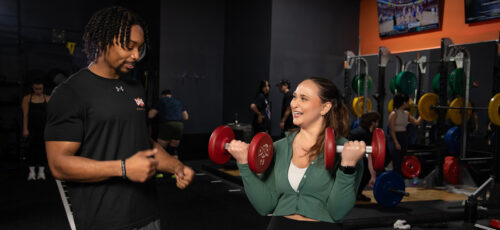
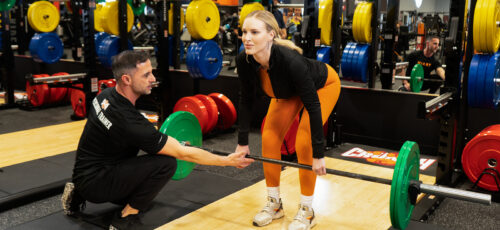
During workouts, a trainer shows you exercises, teaches proper form, adjusts your movements, and chooses the right level of challenge. They can also explain the difference between a fitness coach and a personal trainer if you are not sure which is best for your goals.
Whether you want a personal trainer for weightlifting, cardio, mobility, or general fitness, your program should match your abilities, not someone else’s achievements.
A trainer also tracks your progress, updates your plan as you improve, and helps keep you accountable. They can encourage healthy habits like recovery and movement, but should refer you to a healthcare provider if you need help outside their expertise.
If your goal is weight control, working with a personal trainer can give you structure and a plan that goes beyond generic workouts.
Hiring a personal trainer is not about finding someone for a workout show. The best trainer for you has the right credentials, experience, personality, and a plan that fits your goals, schedule, and budget.
Before you sign up, look past impressive exercises and speeches. These five factors will help you find a qualified trainer who makes your workouts safer, more effective, and easier to stick with.
Credentials tell you about a trainer’s education and professional background, but the terminology can be confusing. A good trainer should be able to clearly explain which qualifications they hold and what those credentials represent.
Ask to see the trainer’s current credentials and check which organization issued them. Remember, a professional certification and a course-completion certificate are not necessarily the same. Ask how the trainer was evaluated, whether the credential expires, and what continuing education is required.
Crunch personal trainers must hold credentials that meet applicable company or independently owned franchise location standards. Certification requirements may vary by location, so ask your club about its current requirements or review the Crunch Fitness FAQ.
At corporate Crunch clubs, published hiring requirements include current CPR certification and a primary personal training certification issued through an NCCA-accredited certification program. Individual trainers may also hold specialty certifications, relevant degrees, or additional professional education beyond these baseline requirements.
Credentials are only the beginning. Ask whether the trainer has worked with people who share your experience level, limitations, or goals. Someone learning to squat needs different support from an experienced lifter pursuing a new personal record. If strength is your main goal, learn when it may be helpful to hire a personal trainer for lifting weights.
A personal trainer should get to know you before starting with equipment like kettlebells, treadmills, or dumbbells. A trial session helps the trainer understand your abilities and set a starting point. This may include talking about your goals, watching how you move, measuring fitness, and asking about past injuries or medical advice.
The trial session should feel like teamwork, not a test. Your trainer should explain what they are looking for, why it matters, and how it will shape your program.
Some people like energetic encouragement, while others prefer calm explanations and clear feedback. Neither style is better by itself; what matters is whether it helps you learn and stay motivated.
Pay attention to whether the trainer listens, explains exercises clearly, welcomes questions, and changes their approach if you do not understand. You want encouragement, not someone acting like a drill sergeant.
Workouts are important, but they are just one part of your fitness journey. A good trainer also thinks about how exercise fits with your recovery, habits, and daily schedule.
A complete program should link each workout to your bigger goals. Your trainer should guide how often you exercise, which movements you do, how the difficulty will increase, and when to adjust the program. Every exercise should have a clear purpose.
A trainer may provide general education about recovery, hydration, movement, and other habits that support exercise. However, they should respect boundaries and refer you to an appropriately qualified healthcare or nutrition professional when your needs fall outside their scope.
Ask how often your progress will be checked and what happens if your results slow down. Good programs change and improve over time instead of repeating the same routine.
Check out our article: Seeing Results: Personal Trainer’s Impact
Personal training should challenge you, but not make you dread every session.
Variety keeps training interesting, but too much randomness makes it hard to track progress. A trainer should balance repetition to build skills with changes that prevent boredom and help you keep improving.
Ask your trainer why each exercise is included. Doing something just because it looks good online is not a good reason.
You do not need to laugh through every lunge, but your sessions should feel welcoming, productive, and rewarding. A trainer who celebrates progress, respects your boundaries, and makes difficult workouts feel achievable can make consistency much easier.
Discover: The 12 Best Group Fitness Classes to Keep Your Gym Workouts Fun
The right training plan should challenge your muscles, not strain your budget.
Look at more than just the price of a single session. Ask if the program includes an assessment, personalized planning, progress reviews, independent workouts, or support between sessions. Comparing the full service helps you see what you are paying for.
Depending on availability, shorter sessions, different training frequencies, or alternative formats may make coaching more affordable. Ask about package terms, payment schedules, cancellation policies, and what happens if your availability changes.
The cheapest option is not always the best, but an expensive program only works if you can keep it up. Think about whether the trainer saves you time, removes guesswork, improves your technique, and helps you stay consistent. If you are still unsure, consider if hiring a personal trainer is worth it for your goals.
A personal trainer is probably a good fit if you feel listened to, respected, challenged at the right level, and more confident over time.
Research found a consistent positive relationship between autonomous motivation, exercising because it feels personally meaningful, and exercise behavior. Another study of fitness coaching linked supportive coaching behaviors with greater enjoyment and intrinsic motivation.
The right trainer should help you feel involved in your training, not just along for the ride.
Look for a trainer who:
A good personal trainer should help you become more capable and independent over time. You should finish each session understanding your body better, not feeling confused.
Consider changing personal trainers if your concerns are repeatedly dismissed, sessions feel generic, or your coach is often distracted or unprepared. Other red flags include dismissing pain, disrespectful comments, poor boundaries, and constant pressure to buy additional services.
One awkward workout does not mean the partnership has failed. Start by having an honest talk about what is not working. If the trainer cannot or will not make changes, choosing someone else is not quitting. It is finding a better coaching relationship for your needs, preferences, safety, and long-term goals.
Discover more: What Are the Pros & Cons of Personal Training?
Crunch makes things easier by letting you talk about your goals, ask questions, and find a training approach that fits your needs.
Crunch personal trainers are required to hold credentials that meet applicable company or independently owned franchise location standards. Certification requirements may vary by location, so ask your local club about a trainer’s qualifications, education, and relevant experience. You can also review the Personal Training section of the Crunch Fitness FAQ.
The CrunchONE Kickoff gives you a chance to have a one-on-one talk about your fitness level, goals, exercise history, preferences, and any limitations. This helps the trainer understand your starting point before making recommendations.
Based on your conversation and assessment, a trainer can create a plan that fits your abilities, schedule, and goals. The program might include guided sessions, independent workouts, exercise changes, and progress reviews. As you get stronger or your goals shift, the plan can change too.
Personal training options, credential requirements, and program availability may vary by Crunch location.
Crunch promotes a culture of positivity, inclusivity, and fun with no judgments by providing an environment for all individuals, regardless of their health and fitness goals. Find a Crunch gym near you to try our free trial membership, or join Crunch now. We’re here for you – at the gym or home. Access the best live & on-demand workouts anytime, anywhere with Crunch+. Ready to get sweaty? Try hundreds of workouts for free! Start your free trial now!
Personal trainer cost varies based on location, experience, and session format, so there isn’t one fixed price. Many gyms offer different options, from one-on-one training to small-group sessions, so you can choose what fits your goals and budget.
Most people benefit from seeing a personal trainer 1–3 times per week, depending on goals, experience, and schedule. Even once a week can improve accountability, form, and progress when combined with independent workouts.
Most personal training sessions last 30–60 minutes. Shorter sessions can be effective for focused strength or core work, while longer sessions allow time for warm-ups, lifting, and low-impact workouts like Pilates or Barre.
No, you don’t need a personal trainer to lose weight, but one can help make the process safer and more consistent. Trainers support weight loss through balanced strength and cardio workouts, habit-building, and accountability, not crash dieting.
You don’t need a trainer to build strength or muscle, but having one can speed up progress and reduce injury risk. Trainers help with proper form, progressive overload, and balanced routines that target all major muscle groups.
Yes, a personal trainer can help support injury recovery by adjusting exercises and focusing on proper movement patterns. They often work alongside medical guidance and may recommend low-impact options like Pilates or controlled strength work.
Yes, even fit and active people can benefit from a personal trainer for performance tuning, structure, and new challenges. Trainers can refine technique, prevent plateaus, and add variety through strength, core training, or low-impact workouts like Barre.
Fitness coaching focuses on overall habits like nutrition, mindset, and lifestyle, while personal training is more hands-on and centered around workouts. A certified personal trainer designs structured exercise programs, corrects form, and helps you progress safely toward your fitness goals. Read our article: Fitness Coaches vs. Personal Trainers – Which One Do I Need?