









How to Find The Perfect Personal Trainer for Me? | Crunch Fitness
September 6, 2026
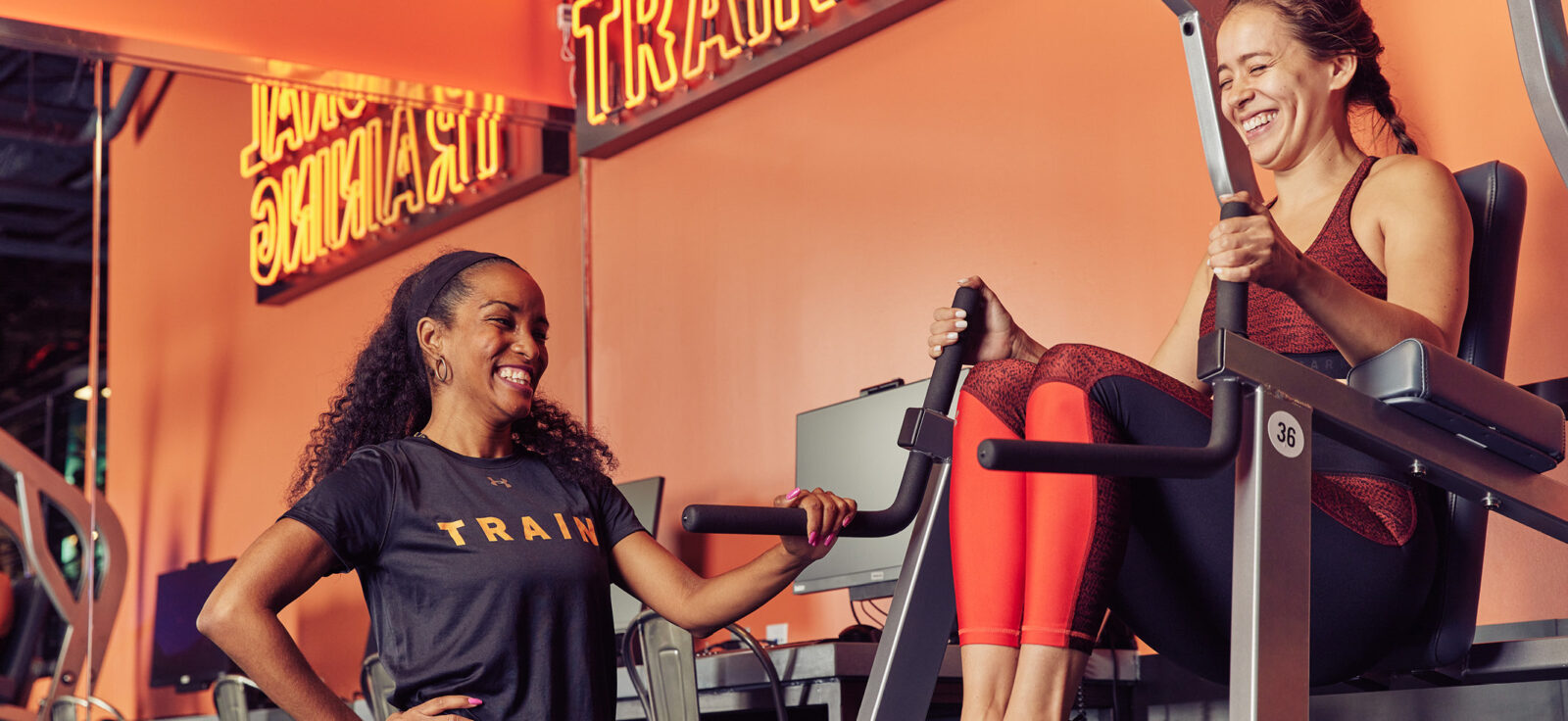
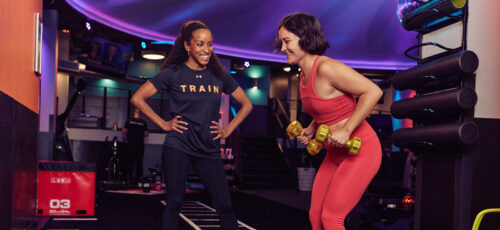
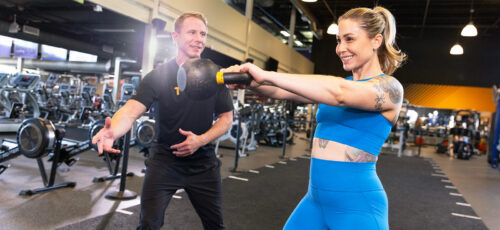
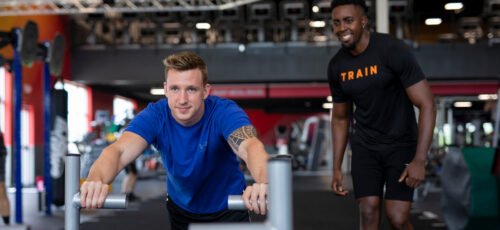
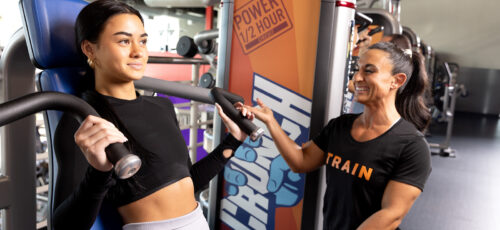
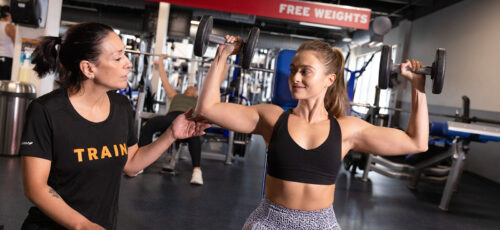
If you’re wondering how to find a personal trainer, you’re already moving closer to your fitness goals. A good trainer does more than just lead workouts. They make a plan just for you, teach you the right way to exercise, help you stay on track, and keep you motivated as you build healthy habits.
No matter if you want to lose weight, build muscle, get stronger, improve your sports performance, move better, or get back to exercise after an injury, working with a trainer who understands your needs can make the process more enjoyable and effective.
There are so many trainers, certifications, and coaching styles out there that it can be hard to know where to start.
This guide will help you define your goals, learn about different types of personal trainers, check certifications, ask good questions during a meeting, spot a great trainer, and avoid common mistakes.
Let’s get started!
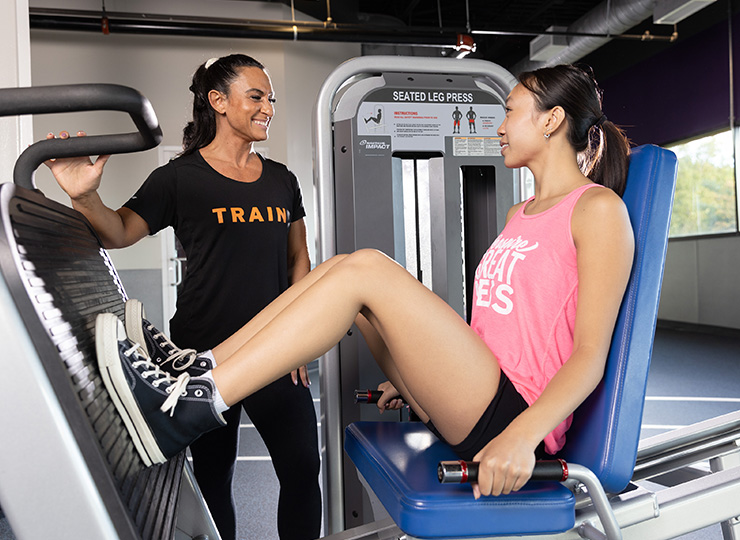
Picking a personal trainer is more than just finding someone to count your reps or tell you what to do next. The right coach helps you train with purpose, stay on track, and build confidence with a plan made just for you.
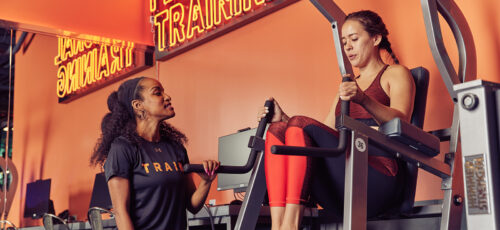
Personal trainers get to know your experience, lifestyle, and long-term fitness goals before making a plan for you.
When you work with a certified personal trainer, you get advice based on proven training methods, not guesswork. Instead of trying random workout trends, you’ll follow a plan that changes as you get stronger, fitter, and more confident.
This personal approach also helps you avoid injuries. Trainers teach you the right way to exercise, help fix movement habits, and make sure you’re moving forward at a pace that works for your body.
At Crunch, members get help from experienced fitness professionals who work with people of all ages and skill levels. Whether you’re new to the gym or training for a big event, the right trainer helps you build healthy habits that last.
If you’re not sure if working with a trainer is right for you, check out our articles Is a Personal Trainer Really Worth It? and Fitness Coaches vs. Personal Trainers – Which One Do I Need? for more help in choosing the support that fits you best.
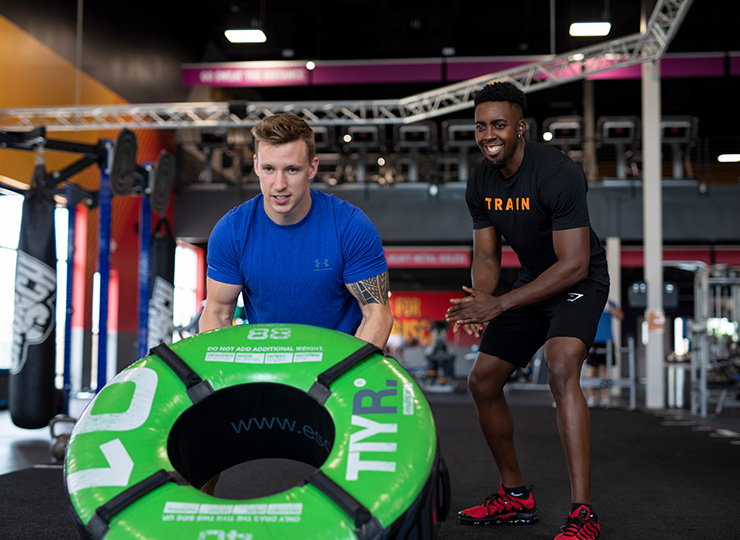
Before you look for a personal trainer, think about what success means to you. The clearer your goal, the easier it is to find someone whose experience matches what you need.
Good personal trainers know that someone training for their first 5K needs a different plan than someone getting ready for a powerlifting competition or just wanting to stay active.
If you want to lose weight, find a trainer who focuses on long-term habits, not quick fixes. Good weight loss plans mix strength training, cardio, nutrition advice, and realistic lifestyle changes. A trainer can make exercise programs that keep you challenged and help you stay consistent. You might also like our article What’s the Best Gym Routine for Weight Loss? as you plan your routine.
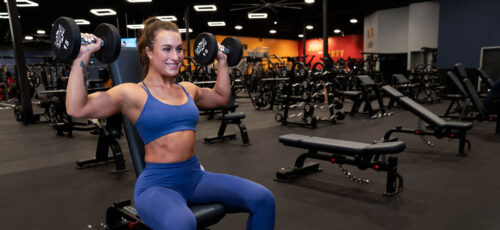
Building muscle is about more than just lifting heavier weights each week. A good trainer will make a strength plan that balances how much you train, recovery, nutrition, and which exercises you do. They’ll also teach you how to lift safely so you keep making progress and avoid injuries. Learn more: 5 Group Fitness Formats for People Looking to Build Muscles!
Athletes usually need training that fits their sport. Whether you play basketball, run marathons, cycle, or play other sports, a specialized trainer can make a program to help you get faster, stronger, and move better. The goal is to train smarter. Learn more: Hone Athletic Skills: Build Abilities that Align with your Fitness Goals
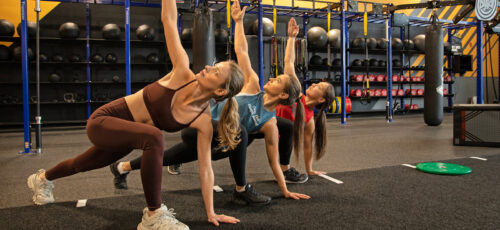
Mobility is now one of the most popular reasons people get personal training, especially if you sit a lot at work or want to move more easily. Trainers can spot movement problems and create routines to help you become more flexible, stable, and move better overall.
If you want to work on mobility, check out our articles on hip mobility, flexibility, and stretching for more exercises to add to your training. You can also read our guide: What’s the Difference Between Muscle Mobility vs Flexibility and Why The Body Cares?
Returning to exercise after an injury can feel intimidating, but the right guidance makes a significant difference. While a personal trainer isn’t a replacement for a physical therapist, an experienced trainer can work within your healthcare provider’s recommendations to gradually rebuild strength, confidence, and movement quality. They’ll modify workouts based on your current abilities, strengthen surrounding muscle groups, and help you avoid injury as you return to regular exercise.
Whatever your reason for starting, knowing your goal is the first step to finding a trainer who fits you. Whether you want help with your first workout or need an experienced coach to reach a new personal best, understanding what you want makes it easier to find the right match.
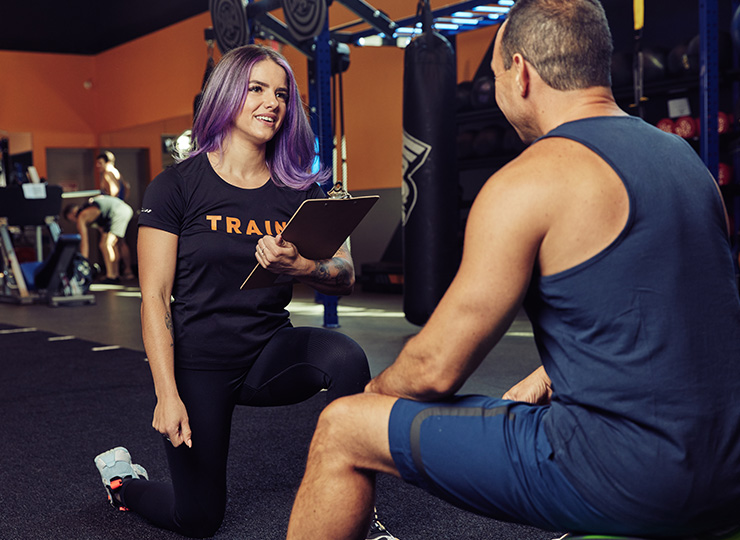
Many people think all personal trainers do the same job, but that’s not true. Trainers have different specialties, coaching styles, and certifications. While every qualified trainer knows exercise science and safe movement, many focus on certain areas to help specific clients.
Learning about different training styles can help you find the right personal trainer. The best coach is someone whose experience matches your goals, personality, and favorite way to exercise.
Here are some common types of trainers and the goals they can help you achieve.
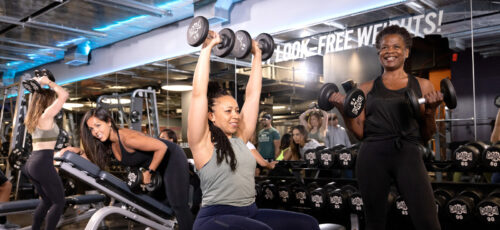
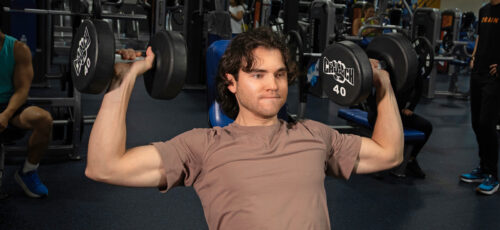
If your goal is gaining muscle, increasing strength, or improving body composition, look for a trainer who specializes in resistance training.
These trainers know how muscles grow and how to safely make workouts harder over time. Instead of giving you random exercises, they create structured plans that include big lifts, supporting exercises, recovery, and nutrition to help you get the best results.
A strength trainer can help you:
If you want to build muscle, check out Crunch’s guides on Hypertrophy vs. Strength Training and the Beginner’s Guide to Strength Training for more tips.
At Crunch Fitness, you can also find classes to build strength:
Many people look for a personal trainer to lose weight, but good coaching is about much more than just burning calories.
Great weight-loss trainers help you build habits you can stick with. Rather than pushing endless cardio or strict routines, they mix strength training, cardio, mobility, and healthy lifestyle tips into a plan you can actually follow.
A weight-loss trainer can help you:
They also change your workouts as you get fitter, so you keep making progress and avoid getting stuck.
Try these classes at Crunch Fitness:
Functional fitness helps you move better in your daily life. Instead of working single muscles, functional workouts build balance, coordination, stability, mobility, and overall strength using movements you do every day, like lifting groceries, climbing stairs, carrying kids, or standing up from the floor.
This style is ideal for:
If you’re training for a race, sports league, or competition, you’ll need a different plan than general fitness.
Sports performance coaches design programs based on what your sport needs. They don’t just make you stronger; they also help you improve things like:
For example, a runner may spend time improving hip stability and stride efficiency, while a basketball player may emphasize jumping power and lateral movement.
These trainers often team up with other fitness pros to build programs that boost your performance and help prevent injuries from overuse.
Check these classes:
Not everyone feels their best when they come to the gym. Some people are recovering from injuries, dealing with stiffness, or have movement issues from sitting at a desk for years.
That’s where corrective exercise specialists shine.
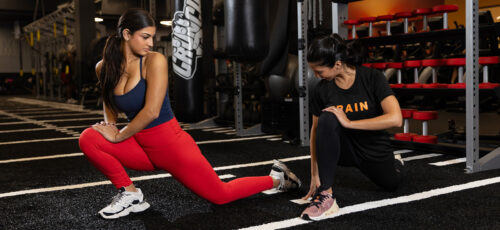
These trainers assess how your body moves before designing workouts that improve mobility, flexibility, stability, and muscular balance.
Their programs often include:
They aren’t physical therapists, but many certified trainers work with healthcare providers when needed to help you get back to exercise safely.
If you want to move better, Crunch has articles on flexibility, mobility, and recovery that go along with your trainer’s advice.
You might like these Crunch Fitness classes:
Going to the gym for the first time can be intimidating, especially if you haven’t used weight machines or free weights before.
A coach who works well with beginners knows that success isn’t about making every workout super hard. Instead, they help you build confidence and learn the basics.
Expect them to help you:
The aim is to make exercise feel doable and positive, not overwhelming.
Finding a fitness trainer isn’t just about their specialty. Their coaching style matters just as much.
Some trainers are energetic and motivating. Others like to teach and explain why you do each exercise. Some are great with beginners, while others prefer working with experienced lifters or athletes.
At your consultation, ask how they plan sessions, track progress, adjust workouts when life gets busy, and stay in touch outside the gym. A good trainer listens as much as they coach.
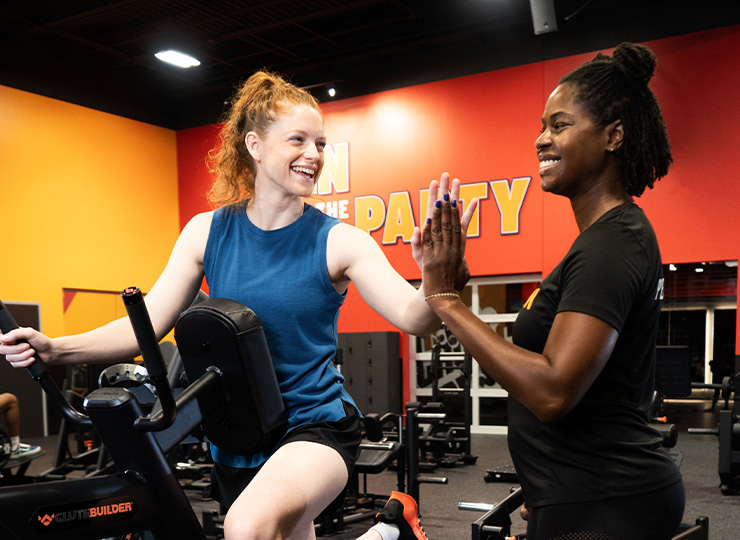
To make sure your trainer knows their stuff, check their certifications. Certified trainers have studied exercise science, program design, anatomy, and safety, so you can trust your workouts are based on proven methods.
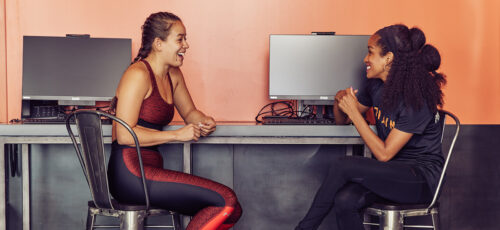
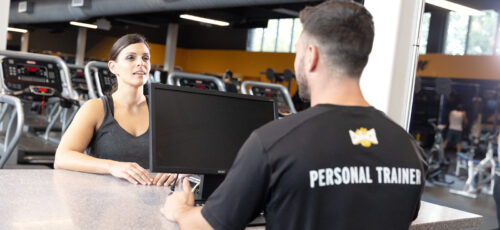
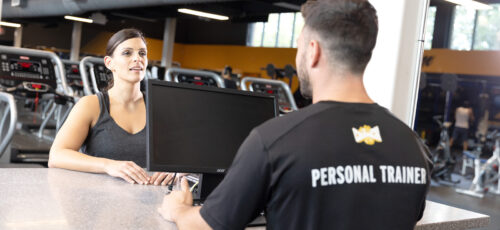
Finding the right trainer starts with asking good questions. Use your consultation to learn about their experience, coaching style, and how they communicate to see if they’re a good match for your goals.
Consider asking questions like:
Remember, you’re interviewing them too. The best trainers are happy to answer your questions and explain how they’ll help you reach your fitness goals.
A great personal trainer does more than just lead workouts. They support your long-term progress and help you build confidence both in and out of the gym.
You’ll know you’ve found the right trainer if they take time to learn about your goals, lifestyle, fitness history, and any limits before making your plan. Instead of using a one-size-fits-all approach, they tailor each workout to your needs and adjust as you get stronger and more confident.
A good trainer explains why you’re doing each exercise, not just tells you what to do. They teach you good form, encourage healthy movement, and make sure you progress safely. They celebrate your wins and give helpful feedback to keep you motivated.
Good communication is key. Great trainers listen, answer your questions without judgment, and make you feel comfortable speaking up if something feels off. They know progress isn’t always steady and can change your workouts when life or setbacks happen.

Not every trainer will be right for you, and spotting warning signs early can save you time, money, and stress.
Be careful if a trainer promises huge changes in just a few weeks or guarantees results that seem too good to be true. Real progress takes time, and a good trainer will set realistic goals based on where you start and your lifestyle.
Another warning sign is if a trainer gives everyone the same workout, ignores your injury history, or skips an assessment. Good training should change as you get fitter and adjust when challenges come up.
Watch for professionalism, too. If a trainer checks their phone a lot, shows up unprepared, cancels often, or doesn’t track your progress, they may not be committed. If they can’t explain exercises or ignore your questions, you might not be getting the support you need.
Most importantly, trust your gut. You should never feel pressured or uncomfortable during training. The right coach will make you feel confident, not discouraged.
Picking the right personal trainer is about more than just who’s available or affordable. Avoid these common mistakes to set yourself up for long-term success.
By avoiding these mistakes, you’ll find a trainer who supports your goals, keeps you motivated, and helps you build healthy habits that last.
Finding the right personal trainer is just the start. At Crunch, our trainers are here to help you build confidence, stay motivated, and keep making progress with personalized coaching and support.
Crunch’s trainers have top certifications and keep learning the latest training methods. This means your workouts are based on up-to-date science and safe techniques. Whether you’re new or have a specific goal, you’ll get guidance that’s personal, safe, and effective.
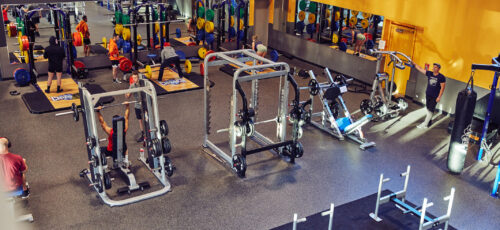
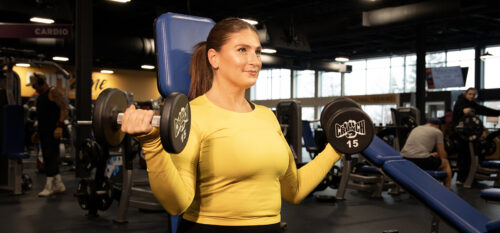
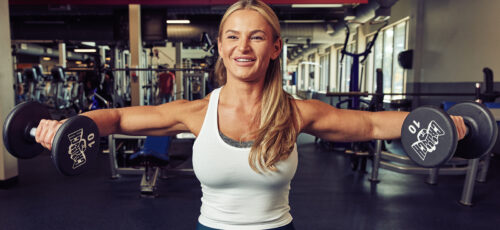
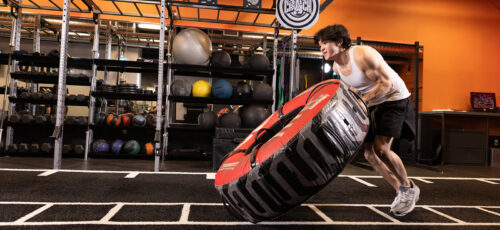
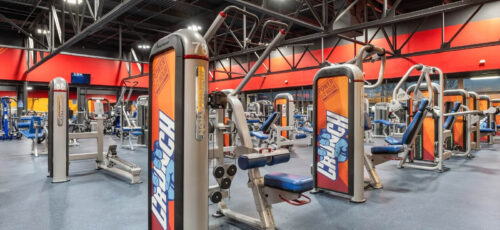
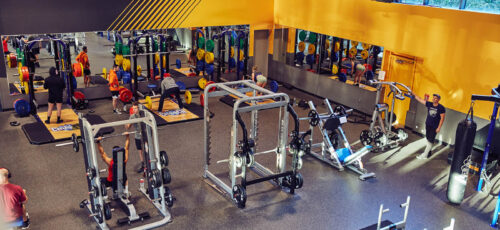
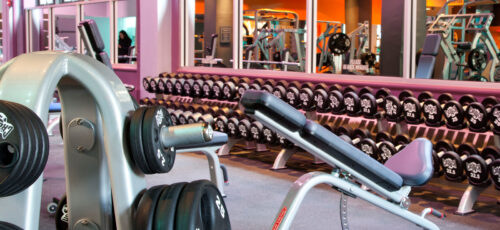
A big benefit of training at Crunch is having lots of equipment in one place. Your trainer can use free weights, machines, cardio gear, and more to keep your workouts interesting and help you keep making progress.
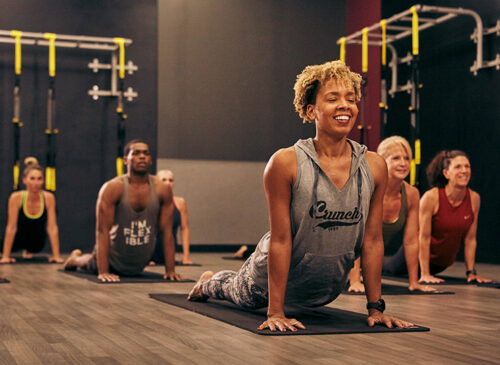
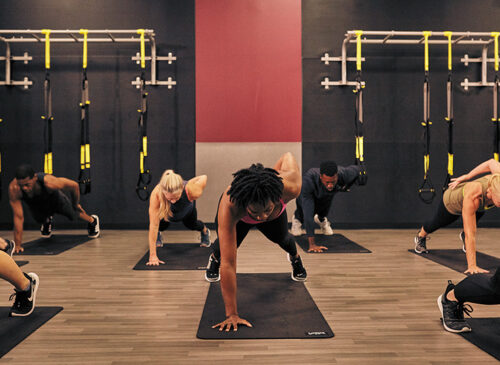
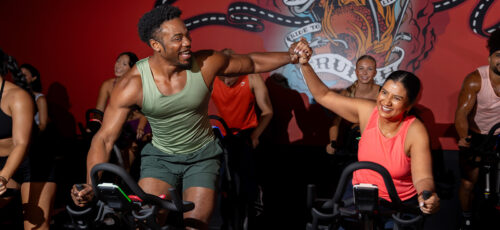
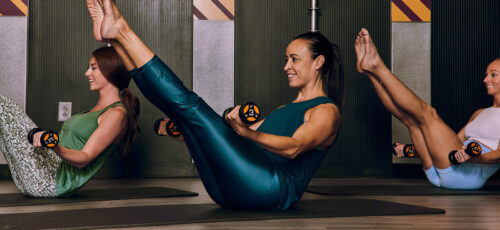
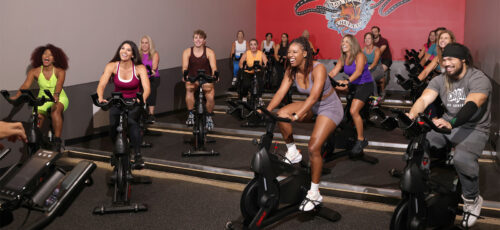
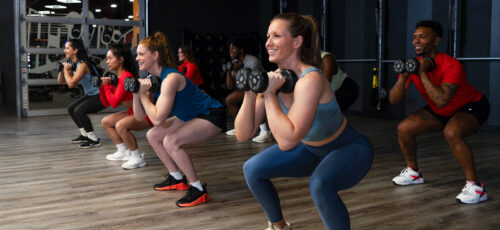
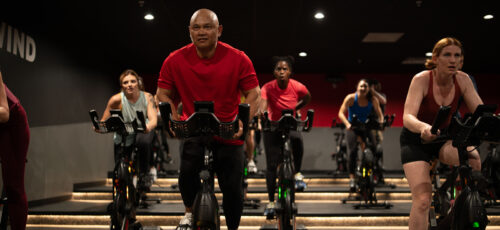
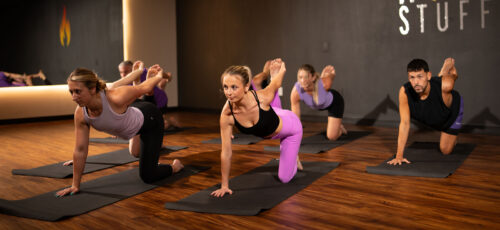
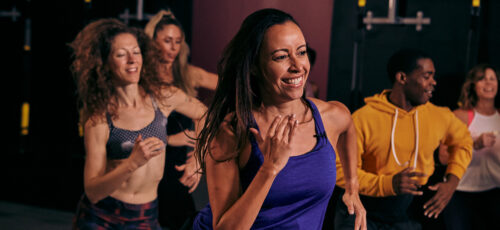
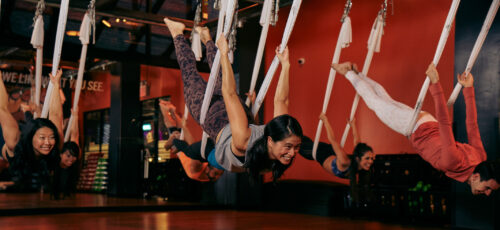
Your fitness journey keeps going after your training session. Crunch has lots of group classes to go with your plan, like yoga, cycling, HIIT, Pilates, dance, and strength classes. These classes give you extra motivation, help you build good habits, and make fitness fun. Personal training and group classes together create a supportive place where you can keep challenging yourself and celebrate your progress.
Crunch promotes a culture of positivity, inclusivity, and fun with no judgments by providing an environment for all individuals, regardless of their health and fitness goals. Find a Crunch gym near you to try our free trial membership, or join Crunch now. We’re here for you – at the gym or home. Access the best live & on-demand workouts anytime, anywhere with Crunch+. Ready to get sweaty? Try hundreds of workouts for free! Start your free trial now!
Personal trainer cost varies based on location, experience, and session format, so there isn’t one fixed price. Many gyms offer different options, from one-on-one training to small-group sessions, so you can choose what fits your goals and budget.
Most people see good results by meeting with a personal trainer one to three times a week, depending on their goals, experience, and schedule. Even once a week can help with accountability, form, and progress, especially if you also work out on your own.
Most personal training sessions last 30–60 minutes. Shorter sessions can be effective for focused strength or core work, while longer sessions allow time for warm-ups, lifting, and low-impact workouts like Pilates or Barre.
No, you don’t need a personal trainer to lose weight, but one can help make the process safer and more consistent. Trainers support weight loss through balanced strength and cardio workouts, habit-building, and accountability, not crash dieting.
You don’t need a trainer to build strength or muscle, but having one can speed up progress and reduce injury risk. Trainers help with proper form, progressive overload, and balanced routines that target all major muscle groups.
Yes, a personal trainer can help support injury recovery by adjusting exercises and focusing on proper movement patterns. They often work alongside medical guidance and may recommend low-impact options like Pilates or controlled strength work.
Yes, even fit and active people can benefit from a personal trainer for performance tuning, structure, and new challenges. Trainers can refine technique, prevent plateaus, and add variety through strength, core training, or low-impact workouts like Barre.
Fitness coaching focuses on overall habits like nutrition, mindset, and lifestyle, while personal training is more hands-on and centered around workouts. A certified personal trainer designs structured exercise programs, corrects form, and helps you progress safely toward your fitness goals. Read our article: Fitness Coaches vs. Personal Trainers – Which One Do I Need?
You can verify a trainer’s certification by checking the official website of the certifying organization (like NASM or ACE) or asking the trainer directly for proof. A qualified certified personal trainer should have up-to-date personal trainer credentials and be open about their education and experience.
Crunch requires its personal trainers to hold certifications, which means they’ve completed rigorous education and testing that meet industry standards. This ensures every certified personal trainer can design safe, effective exercise programs and help you avoid injury. It’s always a good idea to ask about a trainer’s credentials, so you know exactly who you’re working with.