









4 Benefits of Personal Training Programs
September 9, 2026

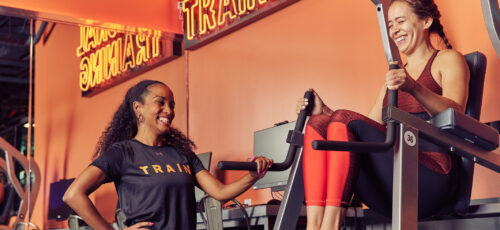
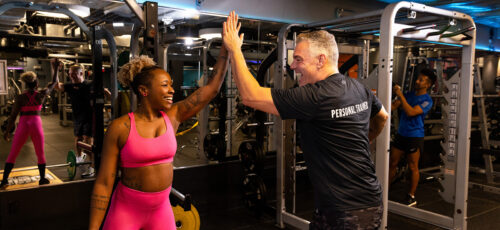
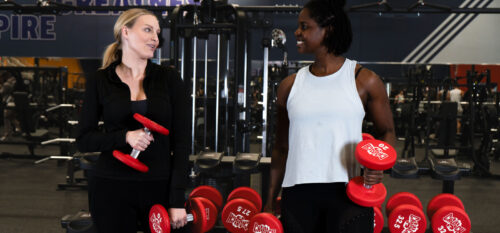
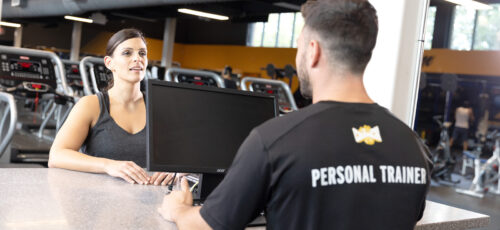
How does a good coach help you reach your fitness goals? The benefits of personal training go far beyond having someone count your reps. With a Certified personal trainer, you get expert guidance, a structured plan, accountability, personalized goals, and support for your body and mind.
Whether you are new to exercise, coming back after a break, or aiming for a personal best, a trainer can make your workouts more focused, manageable, and enjoyable.
In this article, we explore research on the top four benefits of personal training and who gains the most from one-on-one coaching. You will also find seven tips to improve your results, common mistakes to avoid, and advice on choosing a trainer.
Finally, we will look at how Crunch personal trainers use certified coaching, different types of equipment, and a supportive, fun atmosphere to help you train confidently and stay on track.
Let’s get started!
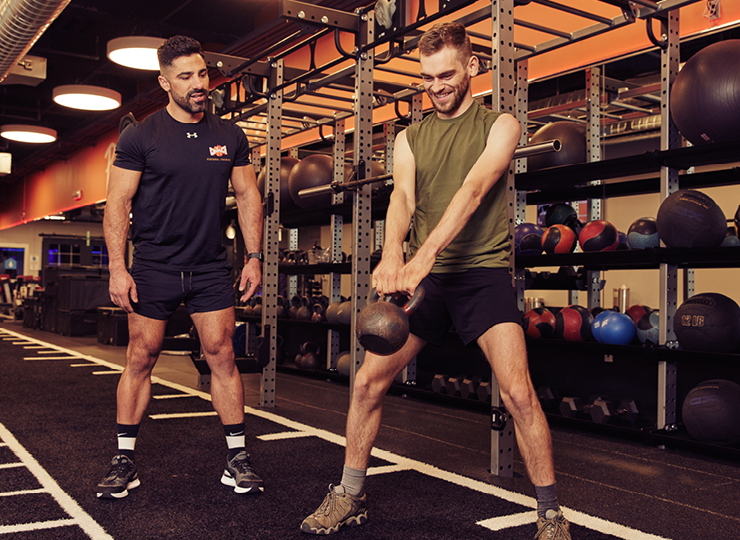
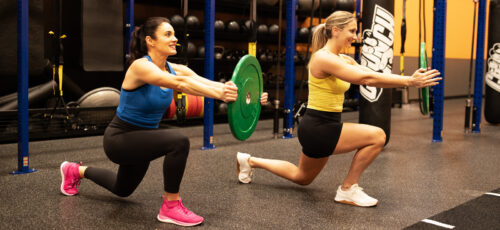
A personal training program is a structured, personalized way to exercise that fits your fitness level, goals, abilities, schedule, and training history. Instead of giving you a generic workout, a certified trainer starts by learning how your body moves and what you want to achieve.
The process usually begins with a fitness assessment that checks your strength, mobility, balance, endurance, and movement quality. Your trainer uses this information to set realistic short- and long-term goals and create a training plan that builds over time. Each session can include a warm-up, resistance or cardio exercises, technique coaching, and recovery, with things like weight, reps, speed, and rest tailored to you.
Most importantly, your program changes as you do. As you get stronger and more confident, your trainer can add new exercises, adjust the intensity, or help you improve your technique so you keep making progress. They also track your performance, give feedback, and explain why each exercise is included.
Think of personal training as equal parts coaching, education, and strategy: you still do the work, but you gain a knowledgeable partner who keeps every rep purposeful and your progress moving in the right direction.
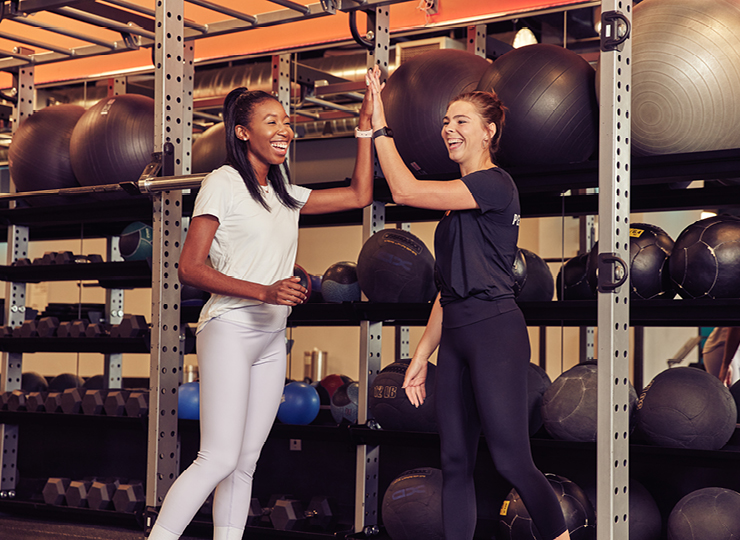
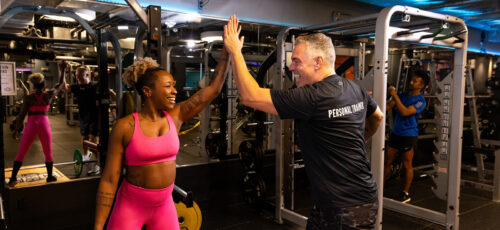
Have you ever planned an evening workout, but ended up staying on the couch instead? Accountability helps turn your intention to exercise into actually showing up.
A personal trainer adds several layers of commitment:
In a study of 129 health-club members who completed ten weeks of one-on-one training, researchers found that 60% moved forward by one stage of motivational readiness and 13% advanced by two. The study cannot prove coaching caused the change, but it suggests personal training may improve attitudes toward physical activity.
For example, if a gym member skips a Friday workout, the trainer does not just say, “Try harder.” Instead, they reschedule the session for Thursday and track the attendance for a month. Accountability becomes about finding solutions, not feeling guilty.
If scheduling is your obstacle, learn how often to meet with a personal trainer based on your goals and routine.
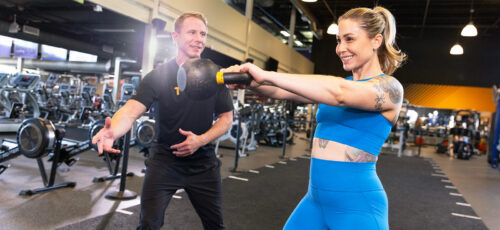
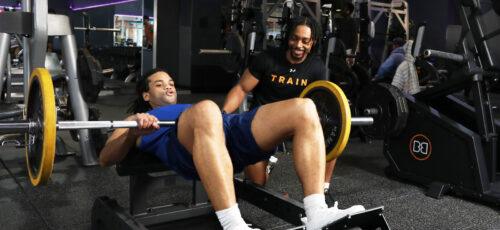
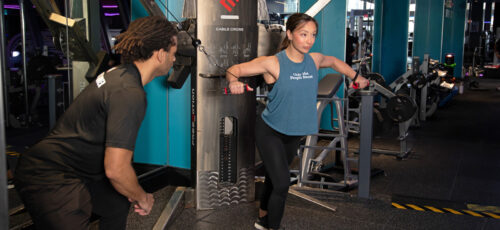
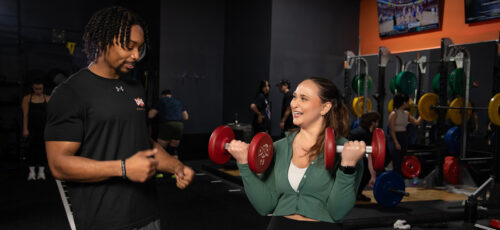
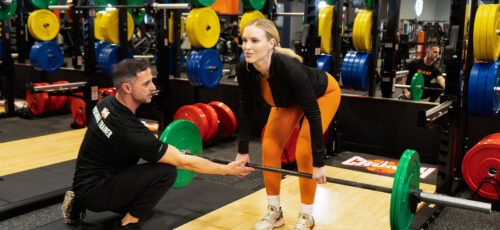
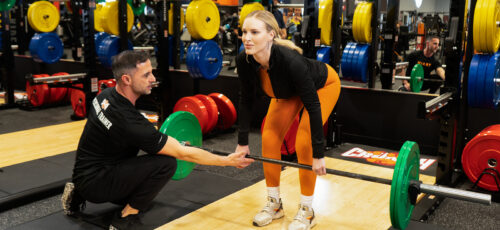
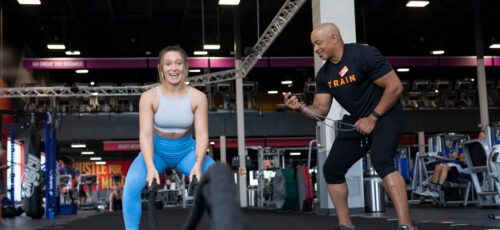
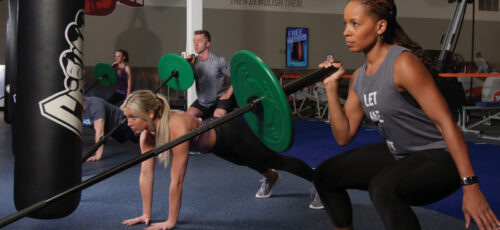
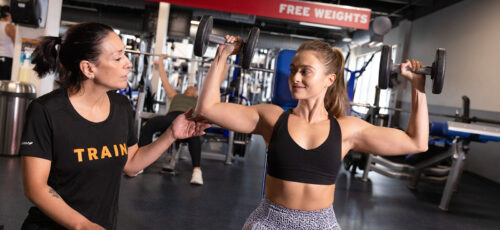
A good trainer does more than just count your reps, even though counting can get tough during the last set. Trainers use their knowledge, observation, and coaching skills to choose the right exercises, manage intensity, and help you improve your technique.
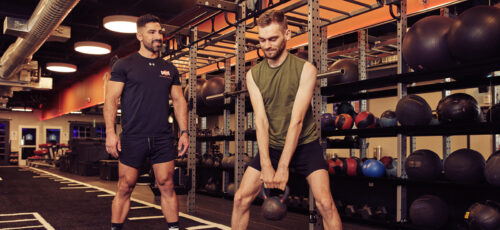
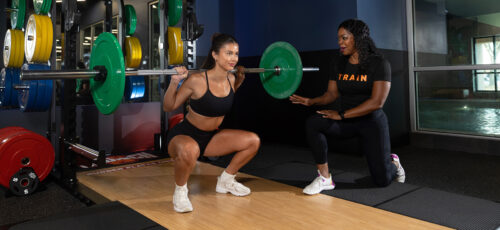
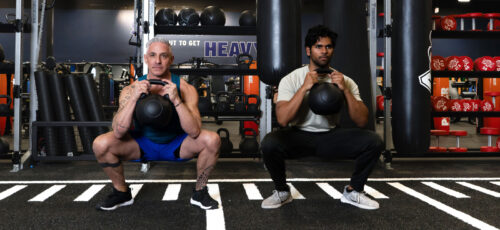
For example, with a squat, things like your stance, depth, knee alignment, posture, breathing, and weight all matter. A trainer might notice if your heels lift and have you do a supported squat while you work on mobility and control. Later, they can increase the weight, range, or speed.
Expert guidance can help you:
A 12-week study of 66 adult men compared solo, partner, and trainer-guided exercise. The personal-training group improved squat strength more than the solo group and reduced fat mass from baseline. Because the sample was small, male-only, and short-term, these findings are promising rather than universal.
Qualifications still matter, so review the personal trainer certifications to look for. If the gym floor resembles a metallic maze, our guide to machines vs free weights explains your options.
“Get fit” is a great goal, but it does not tell you what to do each day. Personalized goals turn a big idea into clear, measurable steps based on your abilities, experience, preferences, time, and recovery needs.
For example, “get stronger” might become:
The plan should change as you progress. Your trainer might add more weight when you are improving, lower the load if your technique needs work, or swap out an exercise you do not enjoy. Training should not be miserable.
Individualization can also address asymmetries. If Jordan’s right leg shows less control during a split squat, the trainer might add unilateral work and monitor both sides. Our SMART fitness goals guide explains how to create specific, measurable, achievable, relevant, and time-bound targets.
Personal training can make regular exercise easier to organize and progress. Your program may build strength, cardiovascular fitness, mobility, or confidence with everyday tasks. It can also provide a mental reset. The question is no longer “What should I do?” but “What is my next set?”
A 2024 network meta-analysis of 218 randomized trials found that activities including walking, jogging, yoga, and strength training reduced depressive symptoms. Researchers concluded that exercise can support depression care, while noting evidence limitations. Personal training is not therapy, but coaching can provide structure, encouragement, and small wins that build gym confidence.
Those wins might look like:
These benefits work together. Accountability helps you stay consistent, guidance improves how you exercise, and personalized goals make your progress clear. As you improve, you build both skill and confidence. You still put in the effort, but you do not have to figure out everything alone.
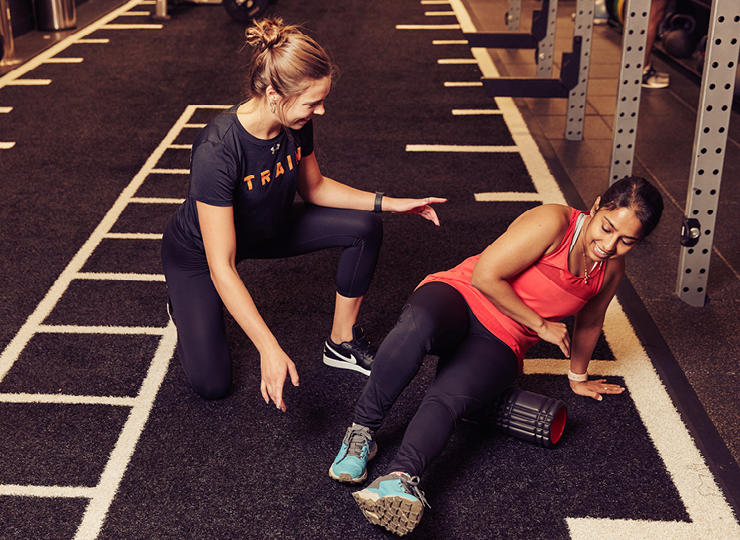
Personal training is not reserved for athletes or people who know every machine. It can support anyone who wants more structure, direction, or confidence.
The greatest advantage is individualization. A trainer meets you at your current level and helps you move forward from there.
Starting at the gym can be overwhelming, with so much equipment and no clear starting point. A certified personal trainer can show beginners how to set up machines, pick the right weights, and learn basic movements like squatting, hinging, pushing, and pulling.
Rather than just copying others, you learn the correct technique and the reason for each exercise. This early learning builds your confidence and gives you a safer, more solid base for future workouts.
Discover: The Best Fitness Program for Beginners
Knowing that exercise is beneficial does not automatically make it easy to show up. Work deadlines, family responsibilities, low energy, and a persuasive couch can interrupt good intentions. Scheduled personal training sessions create a commitment, while regular progress reviews make consistency visible.
A good trainer does not use guilt. They help you find realistic times to train, adjust sessions when life is busy, and keep your plan doable. With regular appointments, exercise can become a normal part of your week instead of something you keep putting off.
Specific goals require more than random workouts. Whether you want to complete your first 5K, improve a squat, build muscle, lose body fat, or prepare for an event, a trainer can translate the goal into a progressive program.
They can select relevant exercises, organize training phases, monitor workload, and use measurable markers to evaluate progress. If results slow down, the program can be adjusted rather than abandoned.
Think of the trainer as your fitness GPS. You still have to travel, but you are less likely to spend three months driving in circles.
Read: Do Personal Trainers Create Customized Workout Plans?
Experience does not make coaching unnecessary. Even seasoned exercisers can develop technique blind spots, repeat familiar routines, or reach a performance plateau. A trainer provides an outside perspective and may identify opportunities involving exercise selection, training volume, recovery, mobility, or progression.
They can also introduce purposeful variety without changing the workout simply for entertainment. For experienced members, personal training may be less about learning the basics and more about refining details that produce the next level of progress.
Learn more: Is A Personal Trainer Really Worth It?
Coming back after an injury, illness, pregnancy, big life change, or long break can be both exciting and a bit intimidating. A trainer can help you find the right place to start and slowly rebuild your strength, endurance, mobility, and confidence.
The goal is not to punish yourself for time away or immediately recreate an old routine. It is to develop a program for the body and schedule you have today. When medical concerns are involved, a trainer should work within their professional scope and follow guidance from qualified healthcare providers.
Read: Can A Personal Trainer Help Me Rehabilitate an Injury?
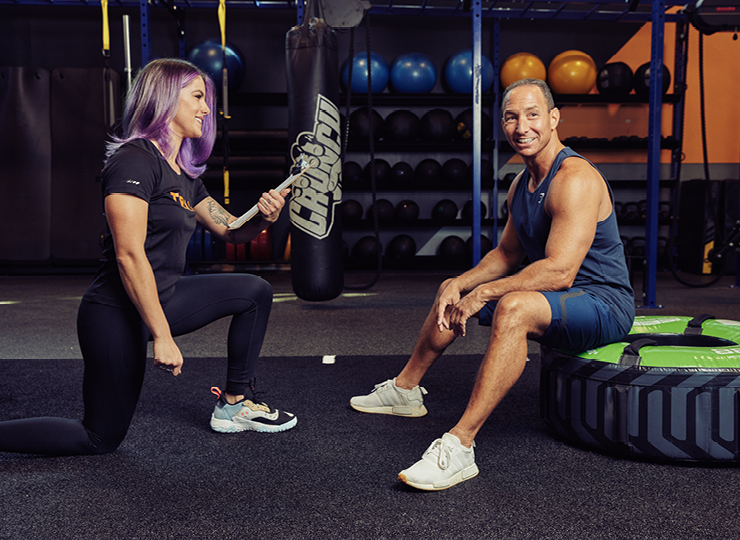
Personal training works best as a partnership. Your trainer brings the expertise and strategy, but your communication, consistency, and daily habits help turn that plan into progress.
Tell your trainer what success looks like to you. “Get fit” is a start, but “complete three workouts weekly” or “perform ten controlled push-ups” gives both of you something measurable to pursue.
Mention previous injuries, health concerns, exercise experience, sleep, stress, schedule, and movement preferences. The more your trainer understands, the more accurately they can adjust exercise selection, intensity, and progression.
One great workout cannot replace a steady routine. Go to your scheduled sessions and be ready to exercise. If something comes up, talk with your trainer about a new plan instead of letting one missed workout turn into a long break.
Ask why an exercise is included, which muscles it trains, and what proper technique should feel like. Understanding the “why” builds confidence and helps you exercise safely and independently.
Your coached hour matters, but so do your independent workouts, daily movement, nutrition, hydration, sleep, and recovery. Results are usually created by the whole week, not one excellent Tuesday.
Speak up if a movement causes pain, feels too easy, or simply does not work for you. Feedback allows your trainer to modify the program without losing sight of the goal.
Strength, endurance, mobility, energy, technique, consistency, and confidence all show your progress. The scale is just one measure, not the only thing that matters in your fitness journey.
Discover more: The Perfect Personal Trainer for Me: How to Find Them?
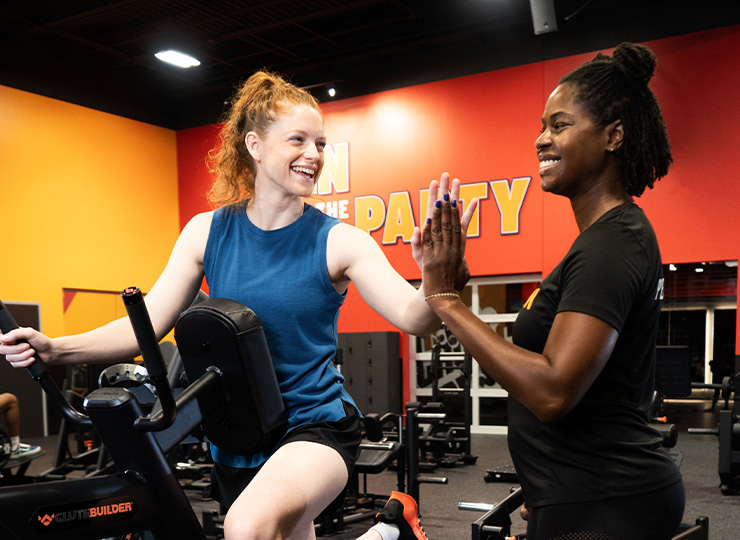
Start with recognized qualifications. A trainer should hold a reputable certification and education appropriate to the services they provide. Credentials do not guarantee the perfect match, but they show that the trainer has studied essential principles such as anatomy, programming, exercise technique, and safety.
Next, consider relevant experience. A trainer who works successfully with beginners may offer different expertise from someone focused on powerlifting, endurance, or post-rehabilitation exercise. Ask how they would assess your starting point, structure progression, and measure results.
Coaching style is important too. Choose someone who listens, explains things clearly, respects your limits, and knows when to encourage you or change the session. The right trainer will challenge you but not make every workout feel like a punishment.
Before you decide, set up a conversation or an introductory session. See if the trainer asks about your goals, limits, preferences, and schedule before suggesting a program. Talk about scheduling, how often you will meet, costs, cancellation rules, and how you will track progress.
It is important to find someone you feel comfortable with. You do not need a drill sergeant or a new best friend, but you do need a qualified professional who makes you want to come back, learn, and improve each week.
For a deeper look at what to expect from a qualified trainer, check out: What Does a Specialized Personal Trainer Do for Your Results? and How to Choose the Right Personal Trainer? 5 Things to Look For
At Crunch Fitness, personal training is meant to be clear, supportive, and practical. The goal is to help you build a routine that fits your life and helps you reach your fitness goals with confidence.
Crunch hires certified personal trainers who meet high standards and continue learning through ongoing education. This means your coach knows how to design effective programs, adjust for different fitness levels, and help you avoid injury.
You’re not just getting someone to lead a workout. You’re working with a knowledgeable professional who knows how to help you progress safely over time.
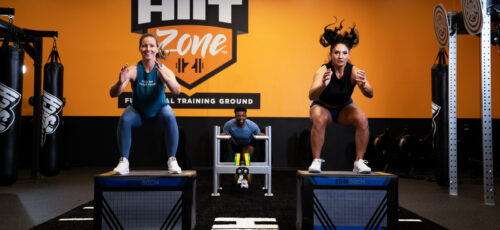
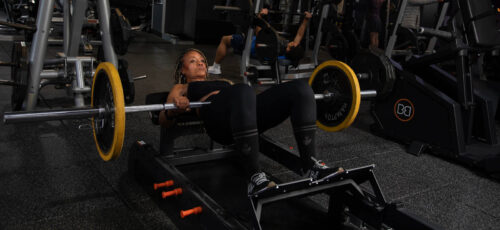
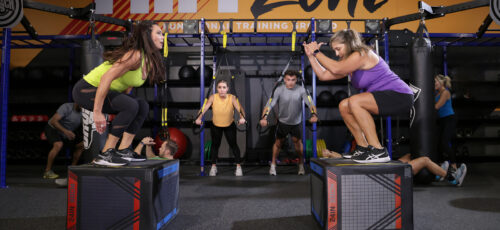
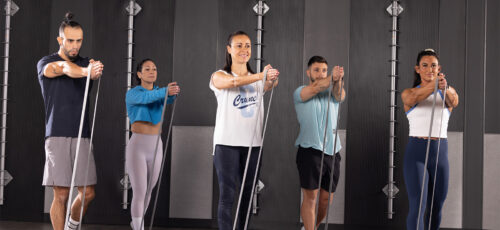
One of the biggest advantages is access. Crunch gyms are built with different equipment, from free weights and machines to functional training zones. This allows personal fitness trainers to create more dynamic and personalized workouts. For example, instead of repeating the same routine every week, your trainer can rotate exercises, introduce new tools, and keep your sessions both challenging and engaging.
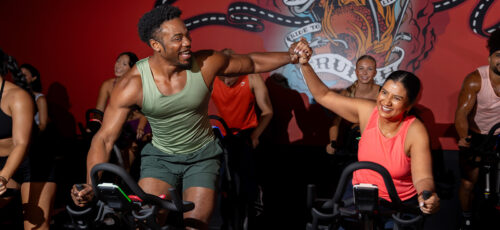
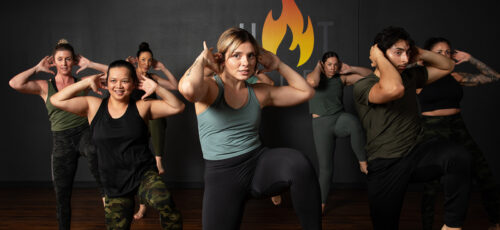
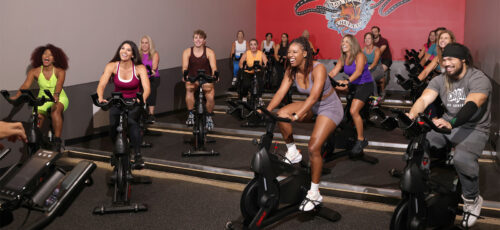
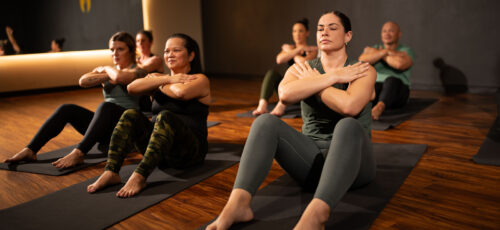
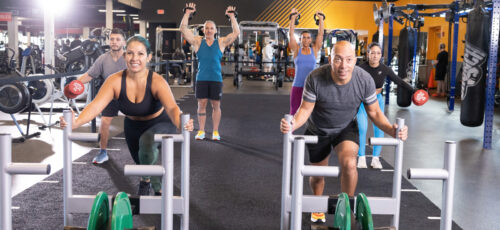
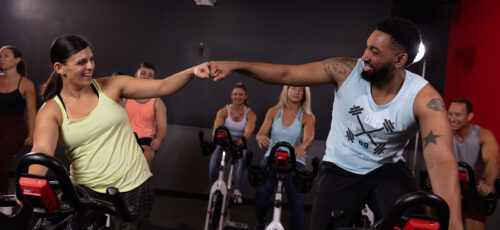
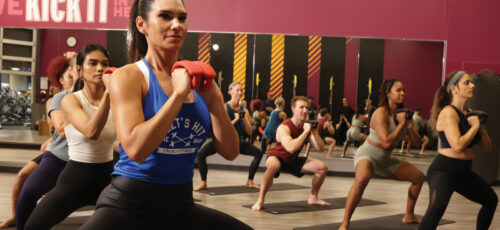
Consistency is easier when training doesn’t feel like a chore. Crunch incorporates personal training with high-energy group fitness classes, giving you options to stay motivated. On days you want extra energy, you can jump into a class and feed off the group. It’s a simple way to stay accountable, meet people, and enjoy the process while still working toward your goals.
Crunch promotes a culture of positivity, inclusivity, and fun with no judgments by providing an environment for all individuals, regardless of their health and fitness goals. Find a Crunch gym near you to try our free trial membership, or join Crunch now. We’re here for you – at the gym or at home. Access the best live & on-demand workouts anytime, anywhere with Crunch+. Ready to get sweaty? Try hundreds of workouts for free! Start your free trial now!
Personal trainer cost varies based on location, experience, and session format, so there isn’t one fixed price. Many gyms offer different options, from one-on-one training to small-group sessions, so you can choose what fits your goals and budget.
Most people benefit from seeing a personal trainer 1–3 times per week, depending on goals, experience, and schedule. Even once a week can improve accountability, form, and progress when combined with independent workouts.
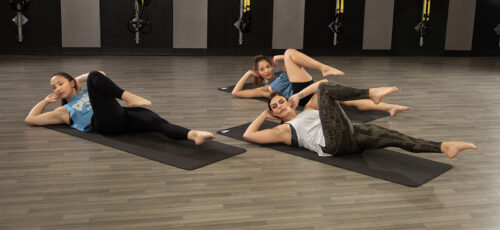
Most personal training sessions last 30–60 minutes. Shorter sessions can be effective for focused strength or core work, while longer sessions allow time for warm-ups, lifting, and low-impact workouts like Pilates or Barre.
No, you don’t need a personal trainer to lose weight, but one can help make the process safer and more consistent. Trainers support weight loss through balanced strength and cardio workouts, habit-building, and accountability, not crash dieting.
You don’t need a trainer to build strength or muscle, but having one can speed up progress and reduce injury risk. Trainers help with proper form, progressive overload, and balanced routines that target all major muscle groups.
Yes, a personal trainer can help support injury recovery by adjusting exercises and focusing on proper movement patterns. They often work alongside medical guidance and may recommend low-impact options like Pilates or controlled strength work.
Yes, even fit and active people can benefit from a personal trainer for performance tuning, structure, and new challenges. Trainers can refine technique, prevent plateaus, and add variety through strength, core training, or low-impact workouts like Barre.
Fitness coaching focuses on overall habits like nutrition, mindset, and lifestyle, while personal training is more hands-on and centered around workouts. A certified personal trainer designs structured exercise programs, corrects form, and helps you progress safely toward your fitness goals. Read our article: Fitness Coaches vs. Personal Trainers – Which One Do I Need?